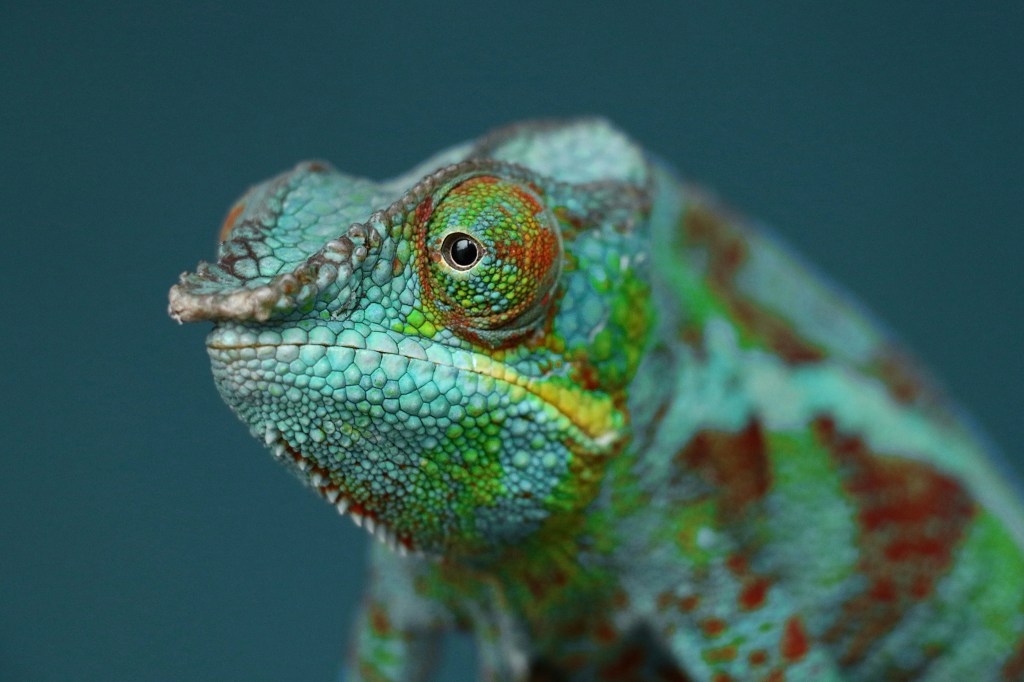
Photo by Pierre Bamin on Unsplash
The two balances of nature in Ayurveda are Prakriti and Vikriti.
Prakriti
Nature is translated as Prakriti in Sanskrit.
Pra means forward or primary, and
Kriti means creation or action
It refers to the eternal world of nature. In Ayurveda, Prakriti refers to the natural constitution of an individual. It also refers to the innate physical and mental state of an individual, determined at the time of conception of the individual.
It is sculpted by the three doshas I have discussed in my earlier article here in Medium. The three doshas are Vata, Pitta, and Kapha.
Characteristically, the Prakriti of an individual remains stable and unique, i.e. once established, it remains constant throughout life. It influences susceptibility or it determines their strengths, weaknesses, and predispositions to certain diseases.
It is often said that we all are susceptible to all diseases, but it is our strengths and weaknesses that determine whether we resist or fall prey to the disease. We are essentially talking about the Prakriti of a person.
Hence, the prelude to treating a person and providing personalized healthcare comes from assessing one’s Prakriti which helps in customizing diet, lifestyle, and treatment plans for the best results and optimal health.
For instance, a person with a Kapha Prakriti might have a heavier build, calm deportment, and will generally tend to retain fluids.
Similarly, a person with a predominantly Vata Prakriti may have a slender frame, and be energetic but prone to anxiety and dryness.
Hence, the entire gamut of healthcare of a person in Ayurveda rests on the Prakriti of a person.
Vikriti
The antonym for Prakriti is Vikriti and is derived from:
Vi indicating variation, alteration, or deviation, and
Kriti means creation or action
It means a deviation or imbalance and refers to the current health situation of an individual. It is the onset of imbalance in doshas and is an invitation to a disease.
As an antonym of Prakriti, Vikriti is influenced by internal and external factors such as food habits, stress, climate change, and seasonal variations.
The primary drivers that cause Vikriti are lifestyle choices caused by poor eating habits, lack of exercise, and climate shifts that can disrupt the dosha balance.
Among the environmental stressors are pollution, seasonal changes, and climate shifts can disturb the dosha balance.
The other major triggers come from emotional factors such as stress, anger, or grief can aggravate certain doshas.
How Prakriti and Vikriti interplay
The premise on which Ayurveda bases its method of diagnosis and prognosis is how Prakriti and Vikriti interplay. The harmony between the two is central to how illness is managed in Ayurveda.
Importantly, when Vikriti ascends, it shows symptoms of illness. For instance, a person with Pitta Prakriti is more likely to have better heat than others. Still, when their Pitta worsens (Vikriti), they may experience situations like acidity, inflammation, or irritability.
How to keep balance?
Balance is restored by addressing the Vikriti. However, it is essential to reflect on the Prakriti of the individual.
A few tips on how to keep the balance:
- Balance the aggravated Doshas by planning a personalized diet (most important)
- Use of specific herbs, known to experts, to calm the Doshic imbalance
- Subtle changes in lifestyle, such as practicing Yoga, meditation and changing sleep patterns
- Undergo the five therapies in Panchakarma to cleanse the body of toxins and retain balance. The five therapies are:
- Vamana, the Therapeutic Emesis includes controlled vomiting to expel toxins from the upper digestive and respiratory tract.
- Virechana, the Therapeutic Purgation, which uses herbal laxatives to cleanse the intestines and remove toxins from the gastrointestinal tract.
- Basti, the Medicated Enemas applying medicated oils or decoctions into the rectum to cleanse and nourish the colon.
- Nasya, the Nasal Administration gets rid of toxins from the head and neck region through the administration of medicated oils or powders via the nostrils.
- Raktamokshana, the Bloodletting, which removes impurities from the blood using methods like leech therapy or controlled venesection.
It is largely personalized based on an individual’s Prakriti and Vikriti.
Needless to say, Panchakarma should always be performed under the supervision of a qualified Ayurvedic practitioner.
 STORYTELLER
Leave a comment