Why are Bengalis argumentative?
ADDA. Because they have something called an Adda.
There is no perfect translation of Adda capturing its true essence.
Google Translator translates it as a meeting place, a habitat, or a club. These descriptions, though, describe a few aspects of an Adda but do not completely reflect the meaning.
It needs to be elaborated with its intangible elements to understand the essence of an adda.
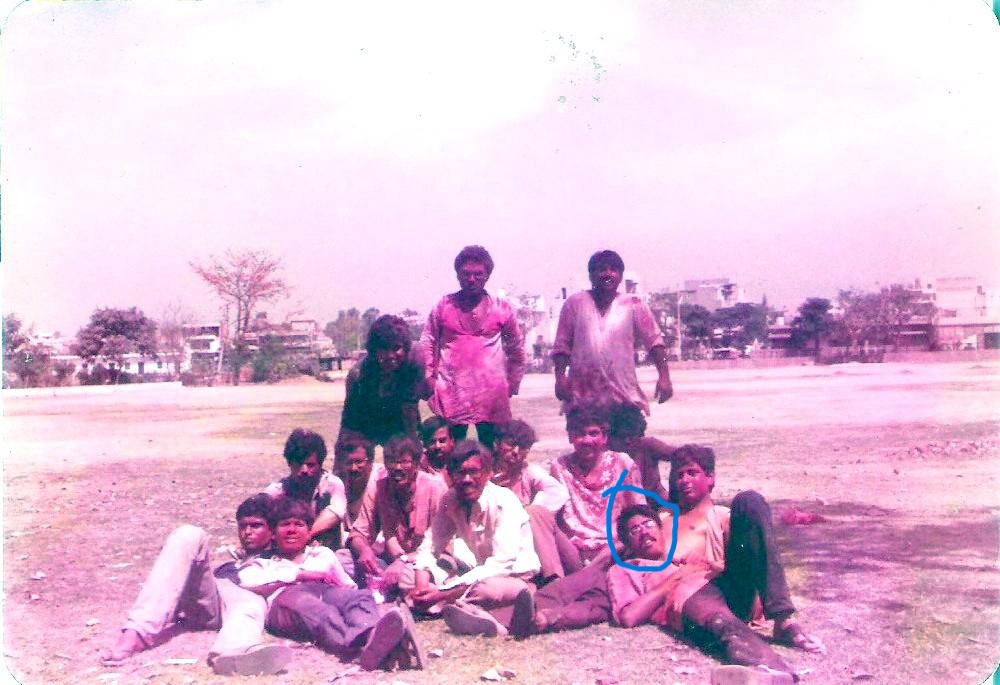
We also had an adda, and we still have one, despite many of us being separated by distance. Some of my friends or adda-mates are still carrying the legacy 😊
Adda is an assemblage of friends who are united by many common threads.
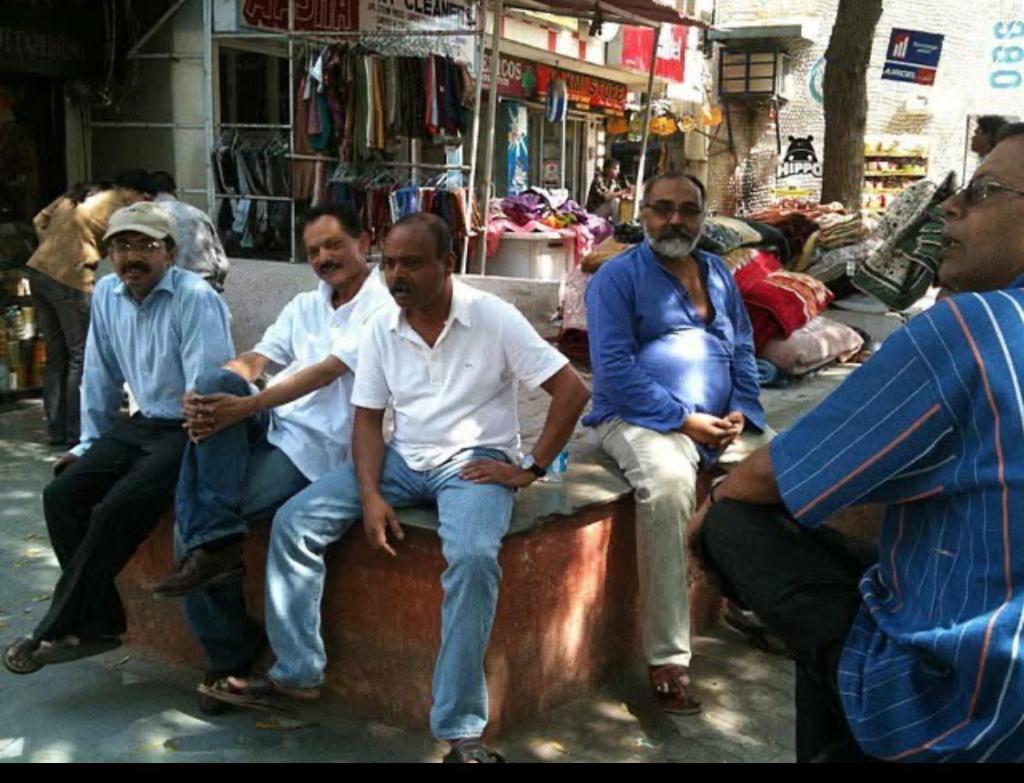
We didn’t know what those common threads were! Our humble background? We never bothered to know what our fathers did for a living. We all had a modest living.
Those who were richer, never exhibited their wealth.
As far as I remember, we started our adda when we all were in colleges, and with it came freedom. Freedom to stay away of home at late evenings.
It was in the early years of nineteen eighties.
Chittaranjan Park, the abode of most Bengalis in Delhi is where we lived. A few of us, staying nearby, used to assemble in the evening over a few smokes on the hilltop (portion of Aravalli), which later became the Kali Temple, one of the most popular landmarks now.
The group swelled when we started playing at Mela Ground, named after the Fair/festival that started in 1975 and is still organized on that ground.
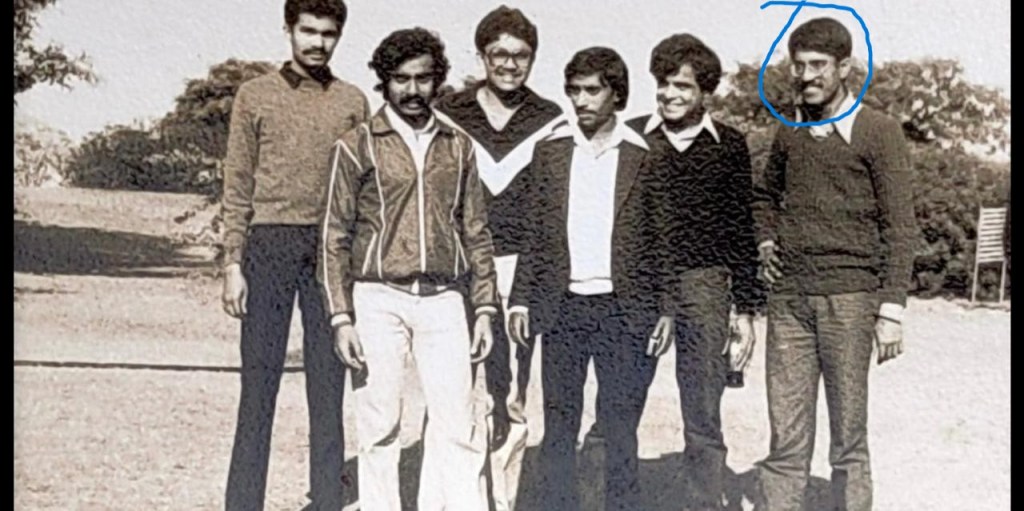
As we grew older, the playtime reduced and the adda-time increased.
Adda used to be opium for us. Sharp at seven in the evening we all will assemble at a tea stall, which were then shanties with thatched roofs. Now a double-story huge market stands there.
Barua-da, an old man with numerous progenies was the owner of the tea stall. He would reuse the tealeaves umpteen times and dip his dirty fingers while serving tea. But it was a heaven for us. It was a place where we breathed the most.
We chatted nonsense and sense in equal proportions. We spoke about ‘hot babes’ and all the scandalous men and women, inching towards gossips that we otherwise hold women as authorities in. Surprisingly we always agreed with each other on this and never argued.
But we argued, and argued a lot, specially on sports and politics.
The group was primarily divided between those more interested in sports and those into politics.
Political polarization was almost absent. Hence the divide was between left liberals and the rest, who had no specific ideology, but were at loggerheads.
It was not serious opposition but more of sarcasm. Making fun of them being proletariats on one hand and wearing Rolex on the other. We used to address them as LAL (red).
Whether it was sports or politics we used to have very high decibel arguments, using abusive languages at times forgetting our surroundings. Then Barua-da would try to douse it down.
It was apparent that those with no knowledge of the subject were left out and only those who knew about it could argue.
And no one wanted to be left out.
We literally used to study what was discussed the day before, prepare ourselves armed with the desired information and confront the one with whom we had difference of opinion. We fought teeth and nail, almost coming to blows.
The bottom-line was clear, ‘if you want to participate in the adda, you have to speak, and to speak, you should ‘know’ something to start a conversation’.
Knowledge was crucial.
I am not sure about the dynamics in other communities, but in my lifetime, I have seen my father and his friends having their adda at our house and arguing over issues for hours and then disperse without any substantial outcome.
My own experience with my adda has convince me that it was because of my adda that we have been so expressive and aware with a channelized thought process.
We may walk on different ideological paths, but we would try to convince the other with facts and figures than shouting someone down.
I am not sure in what form Adda appears in other communities, but among my contemporaries, adda is an identity of Bengalis, and it does make them argumentative.
Long live ADDA 😊

 STORYTELLER
Leave a comment